Pool Patio Sealing in Seattle, WA
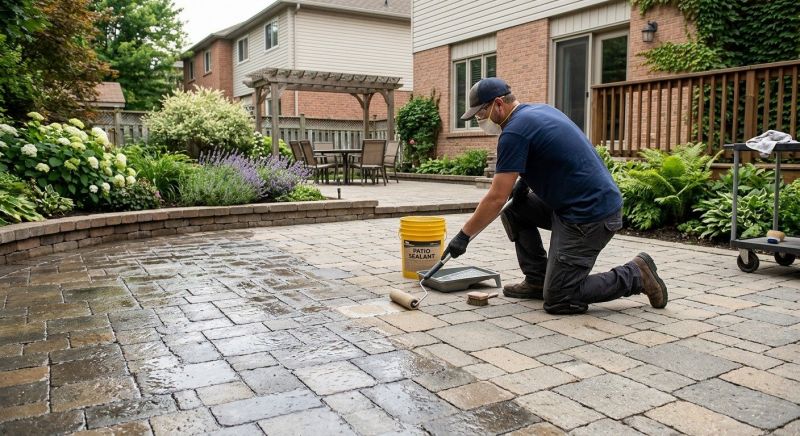
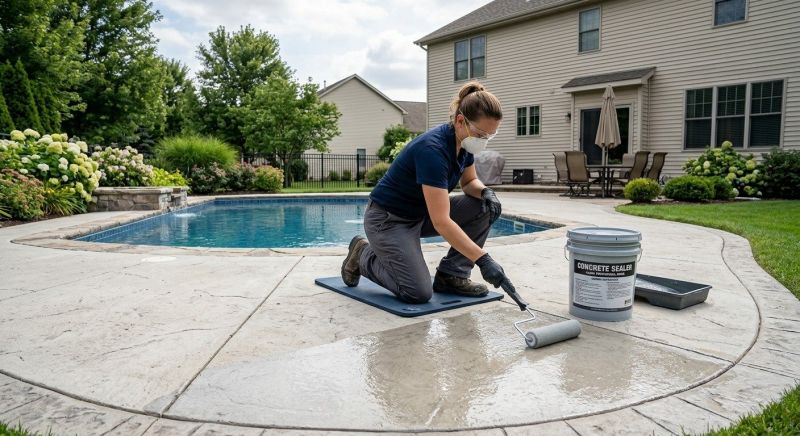
Pool patio sealing services involve applying a protective coating to surfaces surrounding a pool area, such as concrete, pavers, or stone. This process helps prevent water penetration, reduces staining, and extends the lifespan of the patio materials. Projects typically include sealing newly installed patios, as well as maintaining existing surfaces that may be showing signs of wear or damage. Property owners often seek this service to preserve the appearance of their outdoor space, improve safety by reducing slipperiness, and protect against weather-related deterioration.
Before requesting pool patio sealing, property owners usually want to understand the types of sealants used, the expected benefits, and how the process may impact their outdoor area temporarily. It’s also common to inquire about surface preparation requirements, such as cleaning or repairs needed before sealing, and the recommended frequency for reapplication to maintain optimal protection. Clarifying these details helps ensure the sealing process aligns with the specific materials and conditions of the pool patio.
Many property owners in Seattle, WA look into Pool Patio Sealing for repairs, replacements, upgrades, and appearance-related improvements.
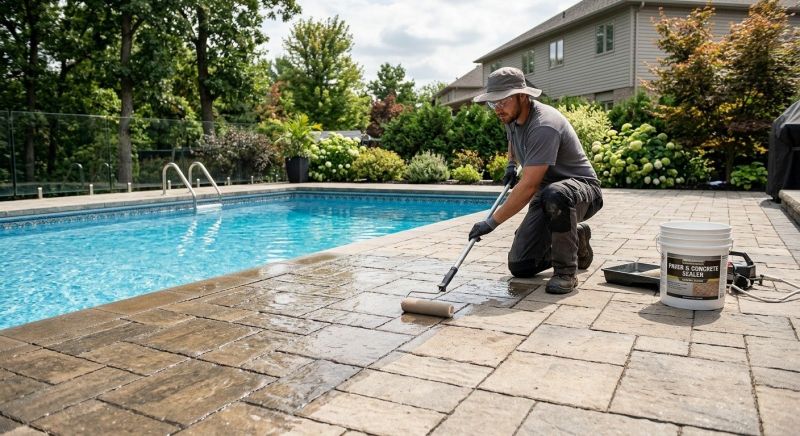
Protecting Pool Surroundings
Sealing helps prevent water damage and extends the life of your pool patio.
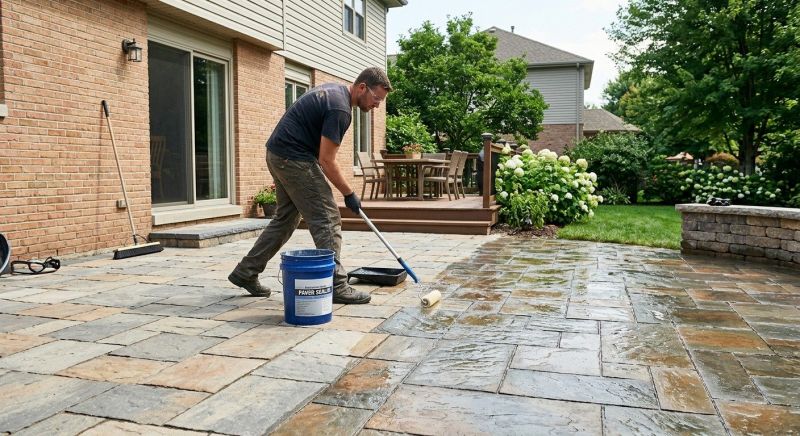
Enhancing Surface Durability
Proper sealing creates a resistant barrier against stains, cracks, and weathering.
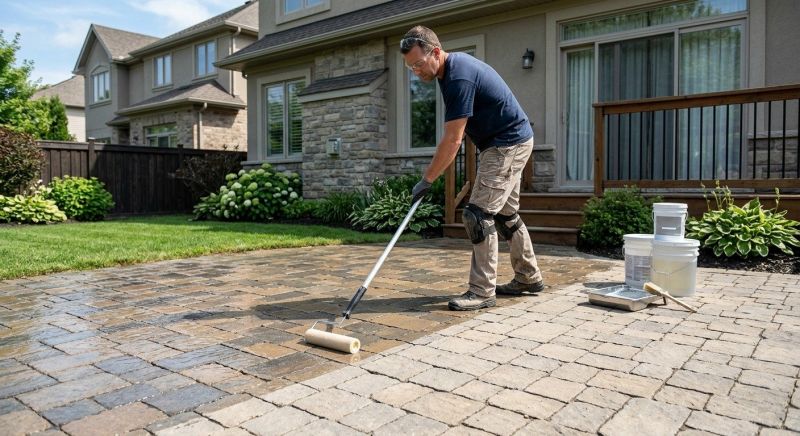
Maintaining Aesthetic Appeal
Sealed surfaces stay cleaner and look newer longer, even in seattle’s rainy climate.
Pool Patio Sealing in Seattle, WA
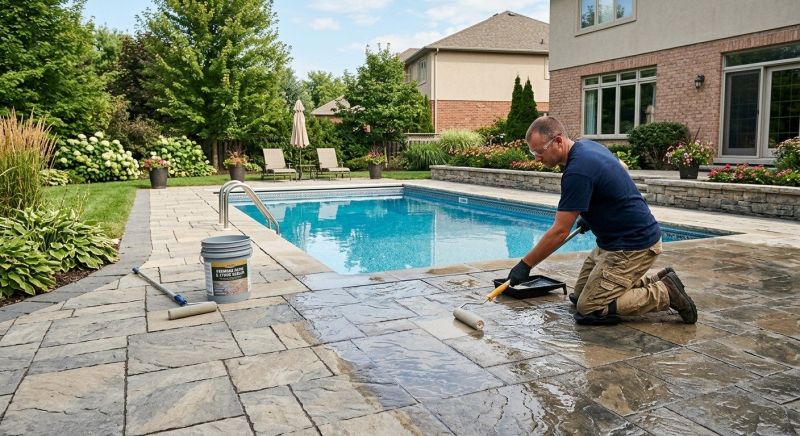
Pool patio sealing services involve applying a protective coating to surfaces surrounding a pool area, such as concrete, pavers, or stone. This process helps prevent water penetration, reduces staining, and extends the lifespan of the patio materials. Projects typically include sealing newly installed patios, as well as maintaining existing surfaces that may be showing signs of wear or damage. Property owners often seek this service to preserve the appearance of their outdoor space, improve safety by reducing slipperiness, and protect against weather-related deterioration.
Before requesting pool patio sealing, property owners usually want to understand the types of sealants used, the expected benefits, and how the process may impact their outdoor area temporarily. It’s also common to inquire about surface preparation requirements, such as cleaning or repairs needed before sealing, and the recommended frequency for reapplication to maintain optimal protection. Clarifying these details helps ensure the sealing process aligns with the specific materials and conditions of the pool patio.
Many property owners in Seattle, WA look into Pool Patio Sealing for repairs, replacements, upgrades, and appearance-related improvements.
Common Pool Patio Sealing Jobs
Pool Deck Sealing - Protects concrete surfaces from water damage and staining.
Patio Surface Sealing - Enhances durability and prevents cracks on outdoor patios.
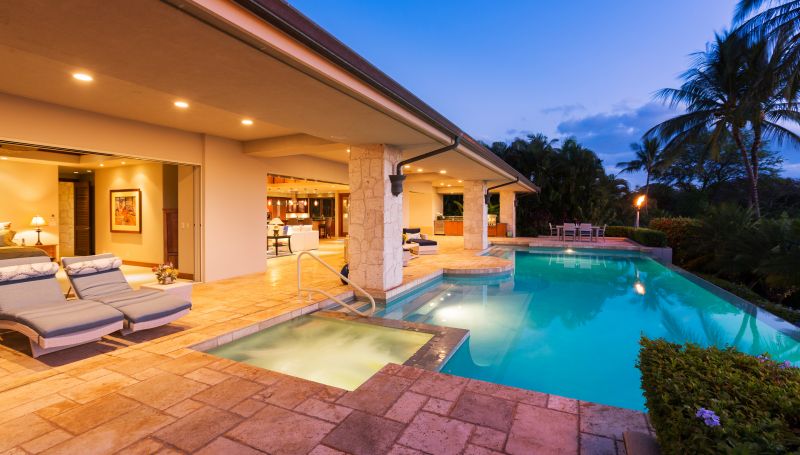
Concrete Pool Surrounds - Sealing helps maintain a clean look and resist weathering.
Stamped Concrete Sealing - Preserves decorative patterns while preventing surface wear.
Stone and Brick Sealing - Shields natural materials from moisture and staining.
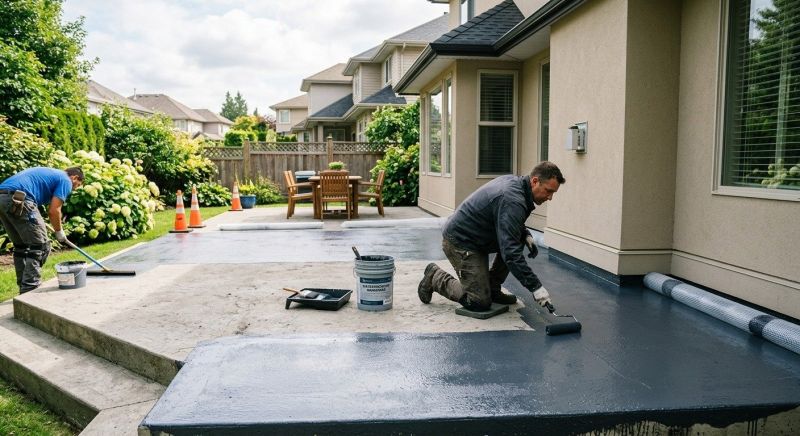
Waterproofing Services - Keeps pool areas resistant to water infiltration and damage.
Pool Patio Sealing Questions
What is pool patio sealing? Pool patio sealing involves applying a protective coating to prevent water damage, staining, and deterioration of the surface.
Why should property owners consider sealing their pool patios? Sealing helps extend the lifespan of the surface, maintains appearance, and reduces maintenance needs.
What types of surfaces can be sealed? Common surfaces include concrete, pavers, and stone patios around pools.
How often should pool patios be resealed? Resealing is typically recommended every few years to maintain protection and appearance.
Request Pool Patio Sealing in Seattle, WA
Use the quote form on this page to share the basics of your project and request more information for the type of work you need.